Essential Guide to Starting and Maintaining Your Gluten Free Sourdough Starter
- krmbco
- 55 minutes ago
- 3 min read

Starting a gluten free sourdough starter can feel intimidating, but it is a rewarding process that opens the door to delicious, naturally leavened bread without gluten. This guide will walk you through the simple steps to create your own starter from scratch and keep it healthy for ongoing baking success. Whether you are new to sourdough or switching to gluten free, you will find clear, practical advice to get started confidently.

What Is a Gluten Free Sourdough Starter?
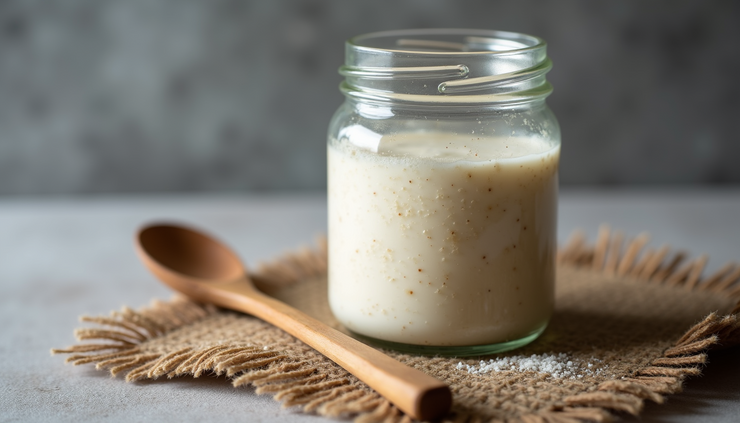
A sourdough starter is a natural culture of wild yeast and beneficial bacteria that ferment flour and water. This fermentation produces gases that make bread rise and develops complex flavors. Unlike commercial yeast, sourdough starters rely on wild yeast found in the environment and flour.
For gluten free baking, the starter uses gluten free flours such as brown rice, sorghum, or buckwheat. These flours provide the nutrients for the yeast and bacteria to thrive without gluten proteins. The result is bread with a tangy taste, better texture, and improved digestibility.
Ingredients and Tools You Will Need
Starting your gluten free sourdough requires just a few simple ingredients and basic kitchen tools:
Gluten free flour: Brown rice flour is a popular choice for beginners due to its mild flavor and good fermentation. You can also experiment with sorghum, millet, or buckwheat.
Filtered or bottled water: Chlorine in tap water can inhibit fermentation, so use water without additives.
A clean glass jar or container: A wide-mouth jar around 1 quart size works well.
A spoon or spatula: For mixing.
A breathable cover: Use a cloth or paper towel secured with a rubber band to allow airflow but keep out dust.
How to Start Your Gluten Free Sourdough Starter
Follow these steps to create your starter from scratch:
Day 1: Mix ½ cup gluten free flour with ½ cup water in your jar. Stir until smooth, scraping down the sides. Cover loosely and leave at room temperature (around 70°F or 21°C).
Day 2: You may see a few bubbles, but it’s normal if you don’t. Stir the mixture once or twice during the day to introduce oxygen.
Day 3: Discard half of the starter (about ½ cup). Add ½ cup fresh gluten free flour and ½ cup water. Stir well and cover again.
Days 4 to 7: Repeat the discard and feed process daily. By day 5 or 6, you should notice bubbles, a pleasant sour smell, and the starter should rise and fall predictably.
If your starter shows no activity by day 7, try switching to a different gluten free flour or ensure the temperature is warm enough. Starters can take longer to develop with gluten free flours.
How to Maintain Your Gluten Free Starter
Once your starter is active and bubbly, maintenance is key to keep it healthy and ready for baking.
Feeding schedule: If you bake daily, feed your starter once a day by discarding half and adding fresh flour and water. For less frequent baking, store the starter in the refrigerator and feed once a week.
Feeding ratio: Use equal weights of starter, flour, and water for feeding. For example, 50g starter, 50g flour, and 50g water.
Temperature: Keep your starter at room temperature for daily feeding or in the fridge for weekly feeding. Warmer temperatures speed up fermentation.
Signs of health: A healthy starter bubbles actively, doubles in size within 4 to 6 hours of feeding, and has a pleasant sour aroma.
Troubleshooting: If your starter develops a pink or orange tint or smells off, discard it and start fresh. A layer of liquid on top (called hooch) is normal and can be stirred back in or poured off.
Tips for Successful Gluten Free Sourdough Baking
Use fresh, high-quality gluten free flours without additives.
Keep your starter in a warm spot, ideally between 70°F and 75°F.
Be patient: gluten free starters often take longer to mature than wheat starters.
Use a kitchen scale for accurate feeding measurements.
Experiment with different gluten free flours to find your preferred flavor and texture.
Always discard some starter before feeding to keep acidity balanced and prevent overgrowth
Comments